Earthquakes, landslides, floods, and volcanic eruptions are realities that communities across Indonesia, including Yogyakarta, must be prepared to face.
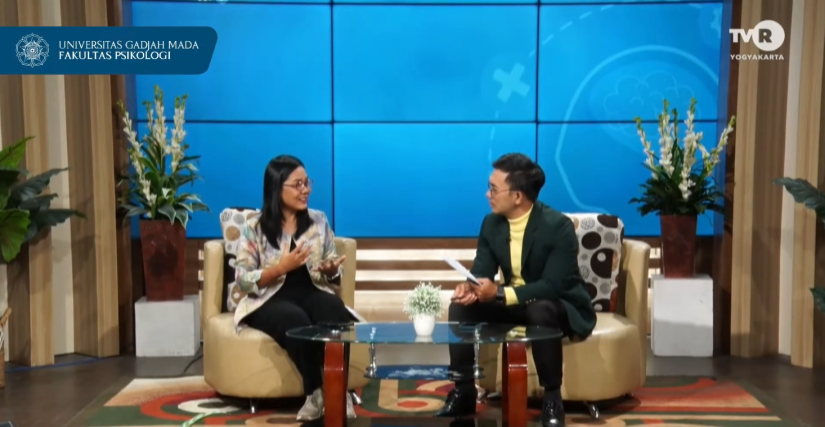
This topic was explored in the latest episode of Obrolan Psikologi (OPSI), a psychology talk show jointly organized by the Faculty of Psychology at Universitas Gadjah Mada (UGM) and TVRI Yogyakarta, on Tuesday, July 7. Hosted by Hendry Saputra, the ninth episode featured Dr. Nevi Kurnia Arianti, S.Psi., M.Si., an alumna of UGM’s Doctoral Program in Psychology, who discussed the importance of integrating local wisdom with modern technology in disaster mitigation.
“Technology is something that we must continue to develop. At the same time, however, we also have our own identity, customs, habits, and noble traditions, all of which can be integrated with technology,” Nevi said.
Technologies such as early warning systems, CCTV, smartphones, and other digital devices help deliver information quickly. However, technology also has limitations. When electricity fails, internet access is disrupted, or warning systems stop working, communities need other resources they can rely on.
This is where local wisdom plays an important role. Oral traditions, knowledge passed down across generations, environmental understanding, and sensitivity to changes in nature help communities recognize and respond to threats within the context of their respective areas.
Local wisdom does not replace scientific data. Instead, the two should work side by side. Technology offers speed and accuracy, while local knowledge provides context and closeness to the community.
Nevi also highlighted the importance of community-based volunteers. These volunteers live in the same neighborhoods as the communities affected by disasters and therefore understand local conditions more closely.
“When these practices become part of their daily lives, they develop greater sensitivity,” Nevi explained.
This closeness allows volunteers to understand which residents may require additional assistance, including children, older adults, people with disabilities, and families living in high-risk areas.
When technology fails, these volunteers can deliver information directly, assist with evacuation, and help calm the community. The trust established before a disaster becomes a crucial asset during an emergency.
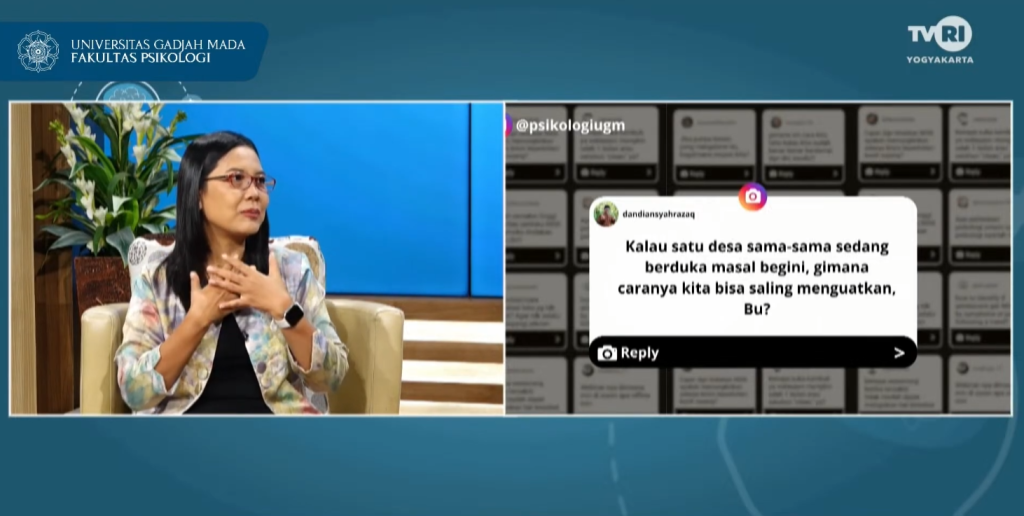
“The greatest asset of a volunteer is having a heart—a heart that is willing to give and willing to learn,” Nevi said.
In addition to compassion, volunteers also need the ability to manage their emotions. Fear and panic can spread quickly during a disaster. Therefore, both volunteers and community members need to strengthen their self-regulation and emotional intelligence so that they can continue making sound decisions under pressure.
Local approaches such as art, traditions, games, and community activities can also be used as tools for education and mental health support.
Disaster preparedness is not solely the responsibility of the government or disaster management agencies. It needs to be developed as a shared culture from an early age. Children can be introduced to prosocial behaviors such as helping others, cooperating, following instructions during emergencies, and avoiding the spread of unverified information.
Schools can teach safety procedures and organize simulations. Families can build preparedness habits in everyday life. Volunteers and academics can provide technical knowledge and field-based support, while the media can disseminate accurate and timely information. Each plays a different role, but all depend on one another.
“As people living in disaster-prone areas, we also have a shared role as members of the community,” Nevi said.
The discussion emphasized that effective disaster mitigation requires synergy between technology, local wisdom, psychological preparedness, and the strength of the community.
Do not miss other engaging episodes of OPSI: Obrolan Psikologi. Watch the replay and follow more in-depth discussions on psychology through the Faculty of Psychology UGM’s Knowledge Channel:
Let us know if there are specific psychological topics you would like to see discussed on Obrolan Psikologi (OPSI), a collaborative talk show by the Faculty of Psychology UGM and TVRI Yogyakarta.
Watch the full episode on YouTube!
Share your suggestions and feedback regarding OPSI through the following channels:
Email: humas.psikologi@ugm.ac.id
Instagram: @psikologiugm
Writer: Arrasya Aninggadhira
Editor: Erna Tri Nofiyana