
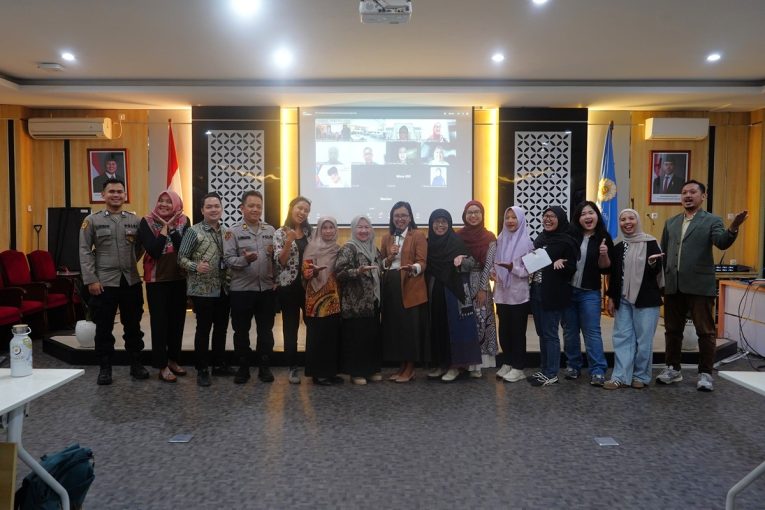
The Faculty of Psychology at Universitas Gadjah Mada (UGM) held the 2026 Partnership Forum on Friday (10/7) in Room A-203, Faculty of Psychology UGM. Organized as a Focus Group Discussion (FGD), the forum brought together 35 partner representatives, comprising 18 in-person and 17 online participants from ministries and government agencies, the Indonesian National Armed Forces (TNI), the Indonesian National Police (Polri), state-owned enterprises (SOEs), industry, media, universities, community organizations, and alumni.
In his opening remarks, Dean of the Faculty of Psychology UGM, Rahmat Hidayat, S.Psi., M.Sc., Ph.D., emphasized that the development of the faculty’s academic disciplines cannot be separated from sustained collaboration with partner institutions.
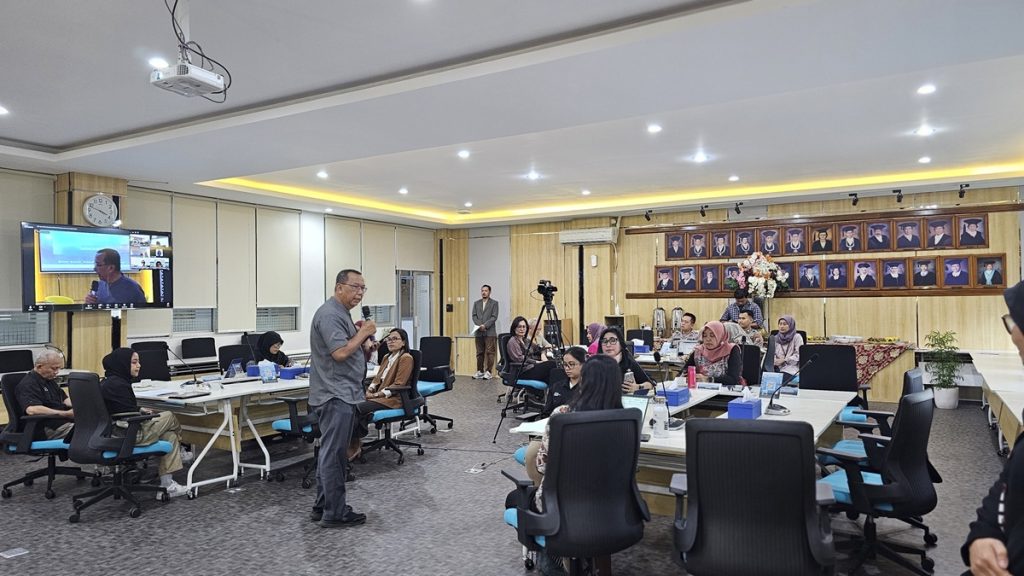
“Without continuity between the processes we carry out at the faculty, including education, research, and academic development, what we do at the Faculty of Psychology, and at UGM more broadly, will not be aligned with what is truly needed by society and the nation,” the Dean said.
The Vice Dean for Research, Community Service, and Cooperation, Pradytia Putri Pertiwi, S.Psi., Ph.D., presented the results of the 2023–2026 Partner Satisfaction Survey, which was completed by 77 institutions representing various sectors.
The survey showed that the Faculty of Psychology UGM achieved a Partner Satisfaction Index (PSI) of 3.36 out of 4.00, equivalent to 84.0 out of 100, placing it in the Good/Satisfactory category. The highest-rated indicator was partners’ willingness to continue collaborating (3.71), while service responsiveness (3.12) and turnaround time for delivering results (3.22) were identified as areas requiring improvement.
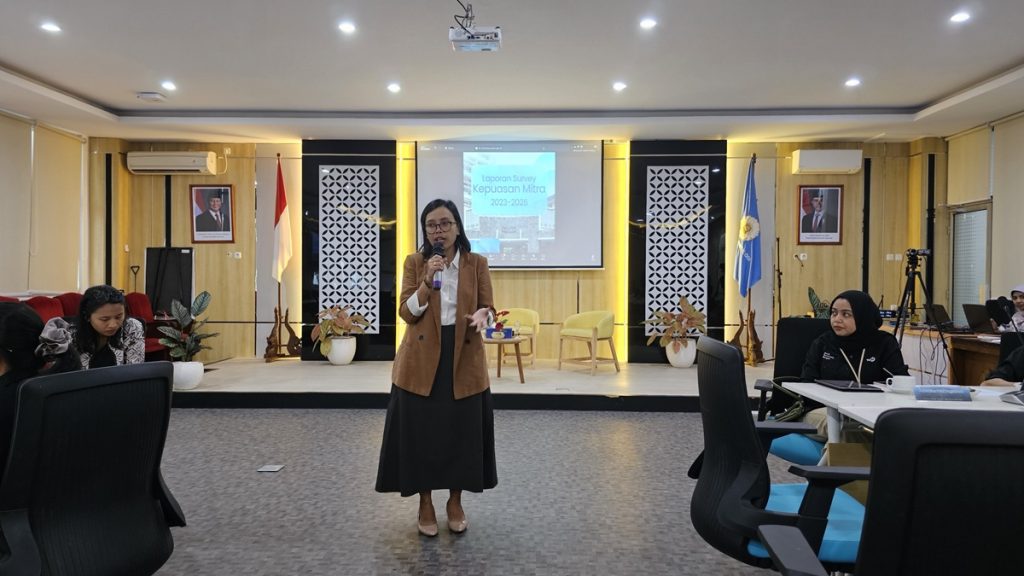
“Several aspects have become points for improvement and reflection for us, including the speed of our responses. Sometimes our response time is slow, and the preparation of cooperation agreements takes longer than expected,” Pradytia said in response to the evaluation findings.
The Faculty of Psychology UGM is currently formulating its academic development roadmap for the 2026–2031 period, which encompasses 11 strategic interdisciplinary themes. These include psychopathology and maladaptive behavior, positive psychology, morality and religiosity, neuroscience, cyber psychology, psychometrics and assessment, collective action and sustainable society, culture and human behavior, evidence-based psychological practice, inclusive society, and learning and learner development.
“There are eleven priority themes for advancing our academic disciplines. We hope psychology can continue to be developed through research so that it remains relevant, responsive to societal needs, and capable of creating meaningful impact,” she explained.
The survey also identified partners’ future innovation needs, particularly in digital-based psychological services and assessments, the development of psychological instruments and testing tools, as well as adolescent mental health and digital safety.
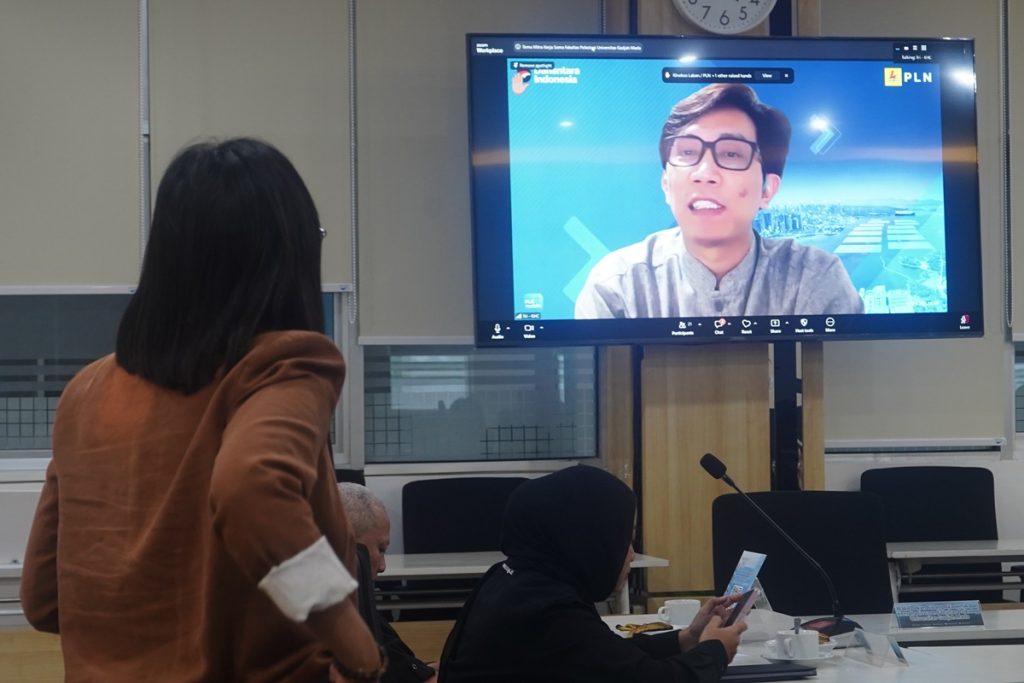
The FGD session featured an interactive exchange of ideas. Tri Hutomo Pamungkas from PT PLN (Persero) highlighted the importance of psychometrics and assessment that extend beyond instrument validity to demonstrate measurable impacts on organizational performance and business outcomes. Rohina, M.Si., Head of the Special Region of Yogyakarta Representative Office of the National Population and Family Planning Agency (BKKBN), noted that the 11 strategic themes closely align with family development programs, ranging from parenting to elderly empowerment. Meanwhile, Major Caj (K) Dr. Windy Kartika P.W., S.Pd., M.Sc., representing the Indonesian Military Academy, shared the institution’s collaborative research experience with the faculty since 2020, which resulted in the development of a resilience assessment tool for cadets. She also proposed extending the duration of cooperation agreements to three to five years, accompanied by more specific data confidentiality provisions.
All feedback gathered during the forum will serve as valuable input for the Faculty of Psychology UGM in designing future partnerships that are more relevant, responsive, and impactful.