
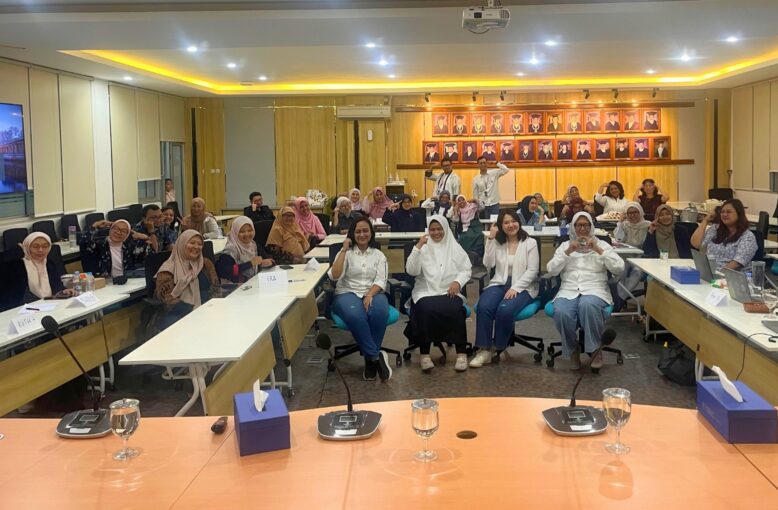
The development of neuropsychology in Indonesia has highlighted the need to strengthen the capacity of academics and practitioners, particularly in applying knowledge of the brain and cognition to education, assessment, and intervention. In response to this need, the Indonesian Neuropsychology Association (Asosiasi Neuropsikologi Indonesia/ANI) organized its first National Scientific Meeting (Temu Ilmiah Nasional/Temilnas), themed “Bridging Science and Strengthening the Neuropsychology Ecosystem.” The Faculty of Psychology at Universitas Gadjah Mada (UGM) hosted the event from Friday to Sunday (September 25–27).
The first day of Temilnas opened with in-person workshops on neuropsychology and curriculum teaching. The neuropsychology workshop was divided into four classes and attended by approximately 60 participants. The sessions featured Heru Wiryanto, M.Psi., Psy.D.; Prof. Donny Hendrawan, S.Psi., M.Psy., Ph.D.; Vennisia Mo, Ph.D., Psychologist; and Tio Rafaella Jemima, Psy.D., as speakers.
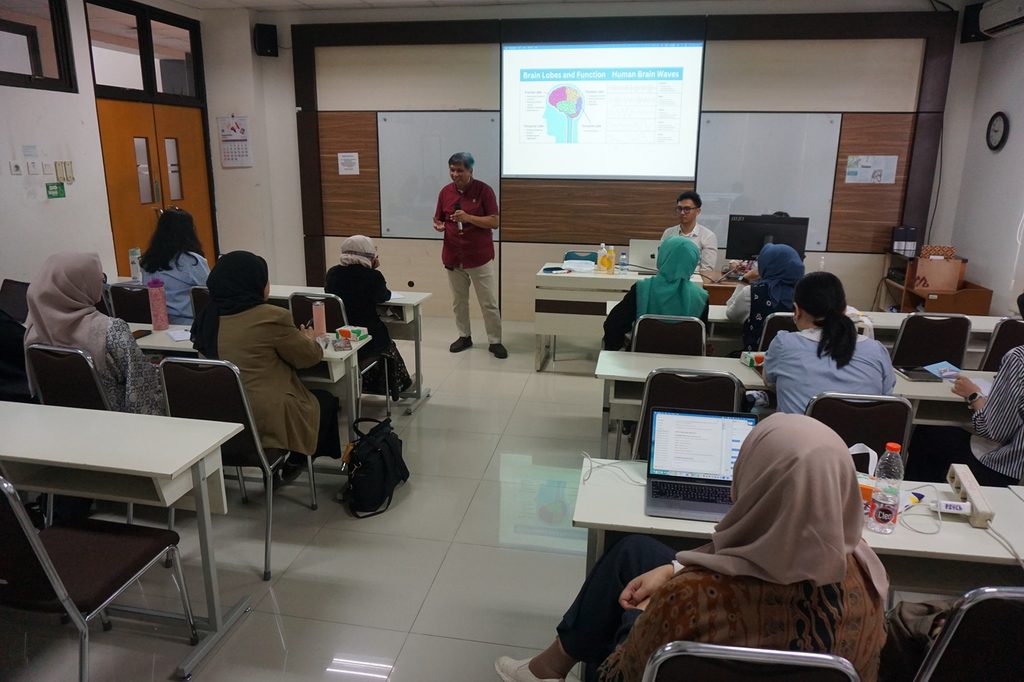
In his session on Neuro Cognitive Behavioral Therapy (Neuro-CBT) within the Neuro Cognitive Optimization and Restructuring Ecosystem (N-CORE) framework, Heru discussed the roles of attention, working memory, and response control in psychological change. “Differences in neurocognitive abilities need to be taken into account to ensure that intervention strategies align with individual needs,” he explained.
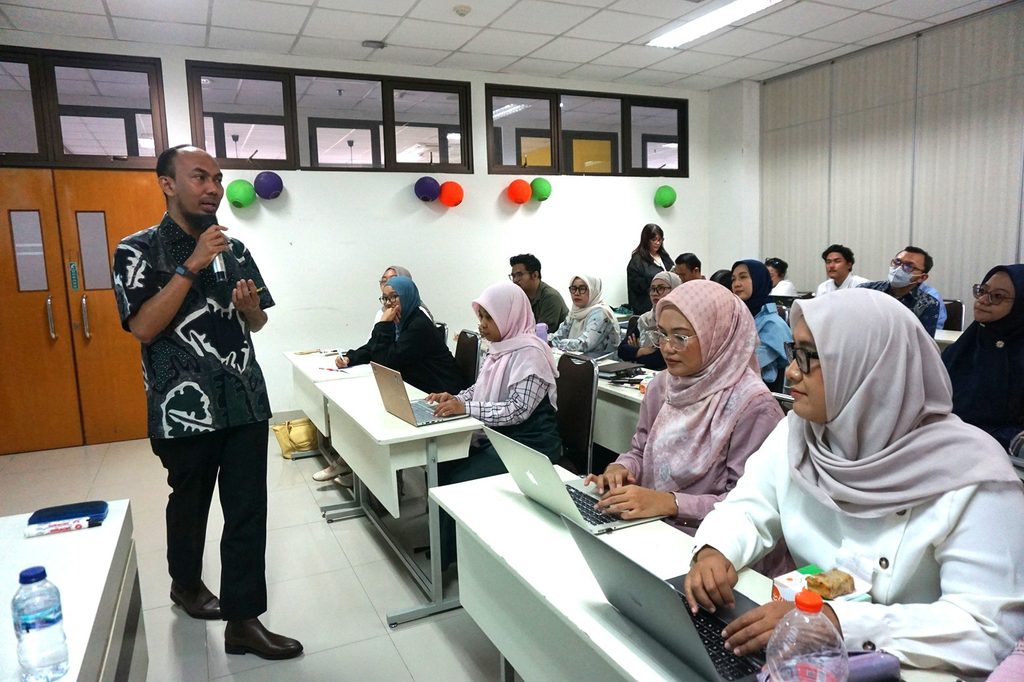
Donny discussed the use of technology in assessment. Digital assessments can record reaction times, error patterns, and response consistency. “These data still need to be interpreted alongside interviews, observations, and individual histories to ensure that the findings are understood in the appropriate context,” he explained.
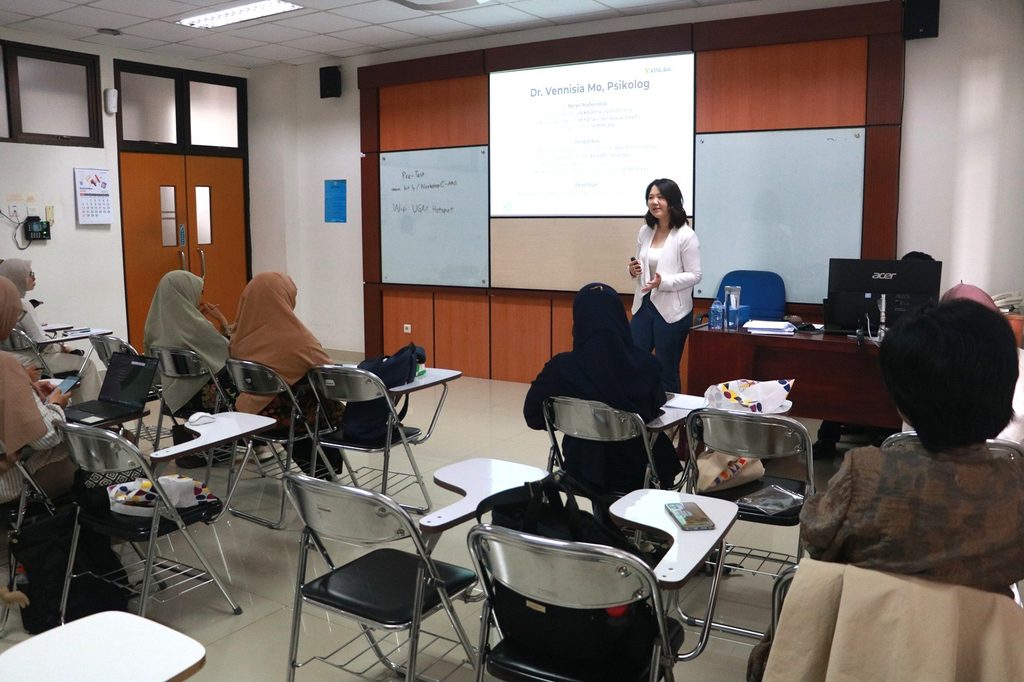
Vennisia explored cognitive assessment and rehabilitation among adults and older people. Assessments help identify cognitive strengths and limitations as a basis for determining appropriate support. “The success of rehabilitation is measured not only by test scores but also by the ability to perform daily activities and maintain independence,” she stated.
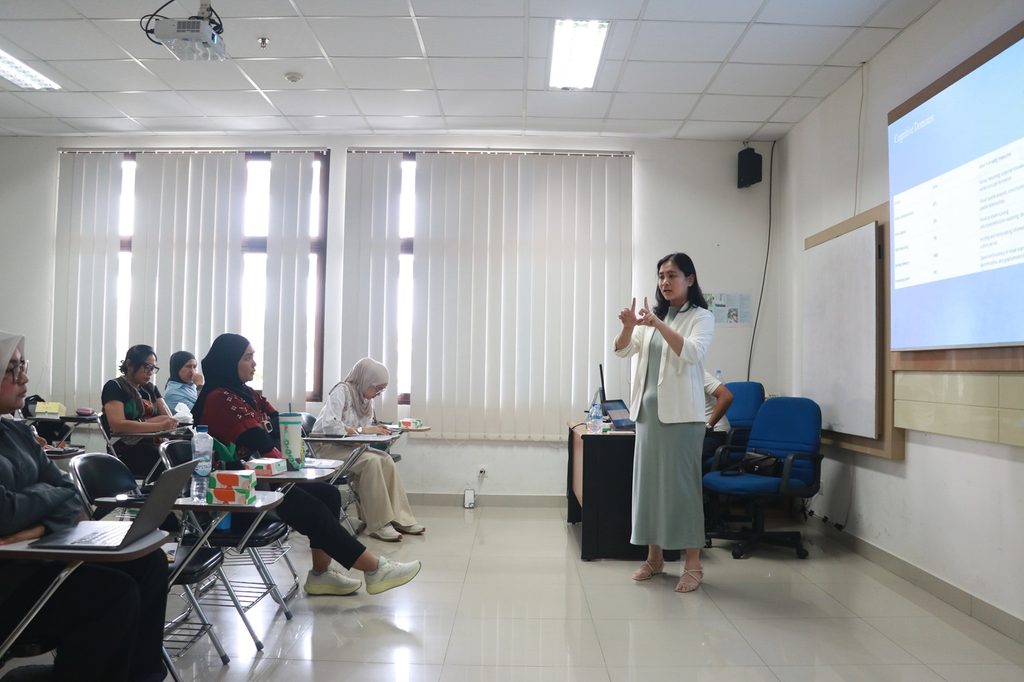
Focusing on children, Tio Rafaella discussed the preparation of evidence-based pediatric neuropsychological reports. Test results need to be integrated with developmental histories and information from families and schools. “Recommendations should be clearly formulated so that they can be implemented by those supporting the child,” she noted.
The workshop concluded with a session on curriculum teaching led by Dra. Sri Kusrohmaniah, M.Si., Ph.D., Psychologist; Dr. Augustina Sulastri, Psychologist; Vennisia Mo, Ph.D., Psychologist; and Wilda Fasim Hasibuan, S.Psi., M.A. The session explored strategies for teaching biopsychology and neuropsychology through case studies, demonstrations, and practical examples, helping students understand the relationship between the brain, cognition, and behavior.
Writer: Arrasya Aninggadhira
Editor: Sussanti