
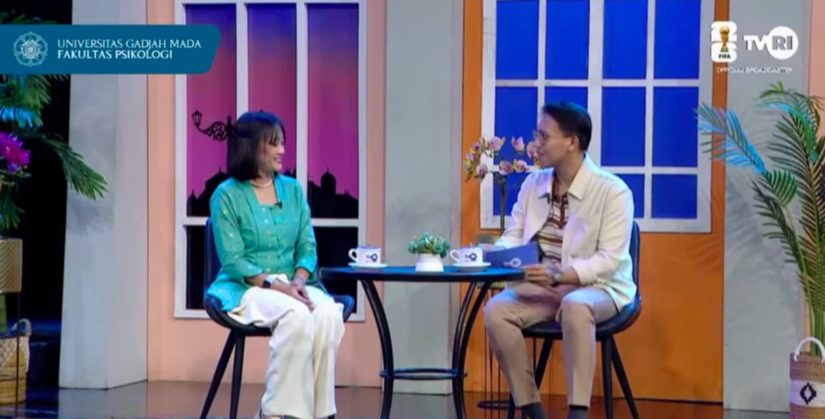
Have you ever felt confused about what is truly love and what actually causes harm?
This topic was discussed in the latest episode of Obrolan Psikologi (OPSI), organized by the Faculty of Psychology at Universitas Gadjah Mada (UGM) in collaboration with TVRI Yogyakarta. Maria Gracia Amara Pawitra, S.Psi., M.Psi., Psychologist and lecturer at UGM, explained the phenomenon of violence committed by a partner or former partner, whether in dating relationships or marriage. Such violence can result in physical, psychological, and sexual harm for victims.
Love is often seen as something sweet, yet in reality it can involve control and manipulation. Intimate partner violence refers to harmful actions carried out by a partner or former partner, which may lead to physical, psychological, or sexual harm. These actions can take various forms, ranging from manipulation to coercive controlling behavior.
Grace explained that society often holds misleading beliefs, such as viewing control or obedience as signs of love, and jealousy or anger as expressions of affection. In reality, these mindsets can become the starting point of abusive patterns in relationships.
“When a relationship does not provide a sense of safety and space for us to grow and be ourselves, but instead is filled with fear and threat, that is already a form of violence,” Grace explained.
She also emphasized that intimate partner violence can affect anyone, and it is important for victims to recognize that what they experience is not their fault.
“Someone can be harmed without realizing it,” she said, explaining how victims often fail to recognize the harm because it has become part of their daily reality.
Grace highlighted that even within a relationship, individuals must maintain their sense of self. A healthy relationship should support personal growth, not limit or weaken it.
Patterns of Violence in Relationships
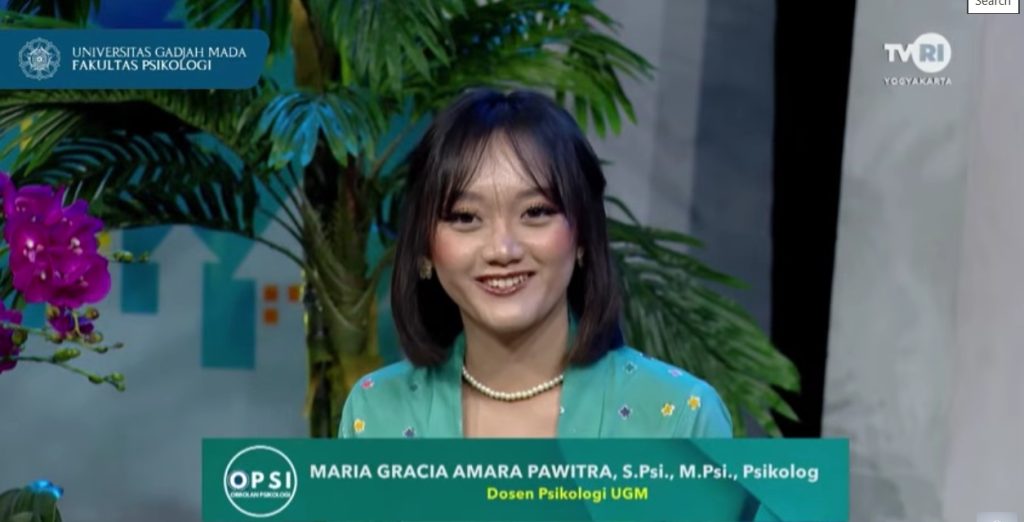
Grace explained that violence in relationships often follows a recurring pattern known as the cycle of abuse, which includes phases of tension building, incidents of violence, reconciliation, and calm.
“…it becomes an unhealthy reward that victims keep waiting for, because they hope the abuser will become kind again,” she said.
Why Is It So Difficult to Leave?
Grace explained that this is often due to trauma bonding, an unhealthy emotional attachment that makes victims confused between affection and pain. In many cases, the abuser damages something deeply valuable to the victim, such as their self-worth, making it even harder to leave despite repeated harm.
From a social perspective, victims may also experience isolation, as abusers deliberately distance them from external support systems, making them easier to control. At the same time, people around the abuser may still perceive them as a “good person,” further complicating the victim’s situation.
How Can It Be Stopped?
Grace emphasized that the first step is recognizing that what is happening is abuse. Although it is not easy, victims need to understand that even when the abuser apologizes or behaves kindly, the pattern of violence may continue.
“The more this pattern repeats, the harder it is to break, because manipulation becomes more frequent,” she explained.
The Role of Others
“Victims of intimate partner violence often receive judgment… because others do not experience the manipulation themselves,” she said.
She stressed the importance of not judging victims and recognizing that there are many unseen aspects behind their situation. Consistent support and reassurance can play a significant role in helping victims process their experiences.
Grace concluded with a reflection that a healthy relationship is one that respects human dignity. Violence does not appear suddenly, but often begins with seemingly sweet words that gradually form harmful patterns. Love should never exist at the cost of pain, and everyone deserves to feel safe in their relationships.
Don’t miss other episodes of OPSI: Obrolan Psikologi!
Watch the replay and explore more discussions on psychology through UGM Psychology’s official YouTube channel.
Note:
Let us know if there are specific psychology topics you would like us to explore on the talk show Obrolan Psikologi (OPSI), a collaboration between the Faculty of Psychology UGM and TVRI Yogyakarta.
Watch the full episode on YouTube!
Share your suggestions and feedback regarding OPSI through the following channels:
Email: humas.psikologi@ugm.ac.id
Instagram: @psikologiugm
Author: Arrasya Aninggadhira
Editor: Erna Tri Nofiyana