
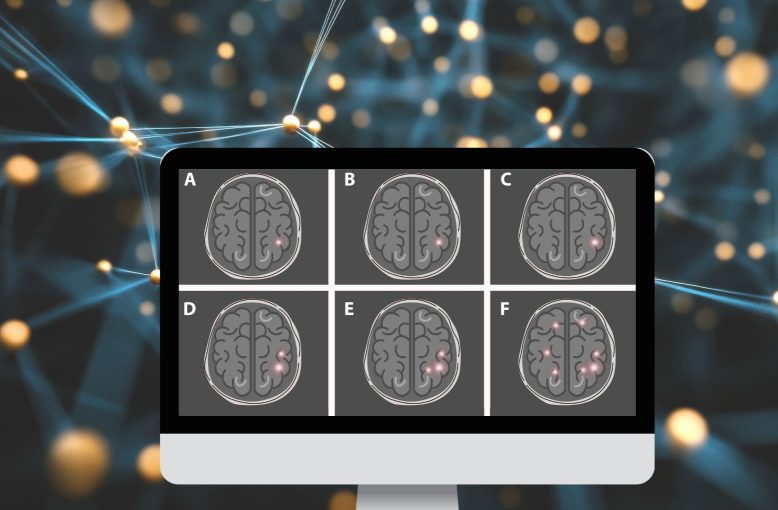
The Faculty of Psychology, Universitas Gadjah Mada, through the Mental, Neural, and Behavior expertise group, is organizing a community empowerment program in the form of training on brain imaging analysis using Magnetic Resonance Imaging (MRI) for students. This initiative is designed to bridge the growing need for neuroimaging competencies in modern psychological research while expanding interdisciplinary collaboration, particularly with medicine and radiology.
The program stems from strong student interest in neuropsychology and cognitive science, alongside limited access to systematic training, appropriate software, and sufficient practical experience. MRI analysis—ranging from understanding basic principles and data preprocessing to interpreting findings—requires knowledge and rigor that are not always covered in classroom settings. Through this program, students learn directly with lecturers and practitioners, allowing their technical and ethical competencies in brain imaging data processing to grow progressively.
The primary goal is to strengthen students’ mastery of the MRI analysis workflow for research in psychology and neuropsychology. Participants are introduced to how MRI works and its applications in studying behavior and cognition, trained to process data using relevant software, and familiarized with ethical standards in neuroimaging research, including data governance and participant protection. It is expected that, upon completion, students will be better prepared to conduct neuroimaging-based studies independently and contribute to knowledge development within the campus and broader research networks.
The program begins with a socialization session in the form of an interactive seminar discussing the role of MRI in psychological research, introductions to analysis tools, and ethical principles. The core session consists of training that combines lectures and hands-on practice using participants’ laptops with sample datasets, guided by instructors and the organizing team. This is followed by mentoring for students who wish to develop their research topics. Evaluation is carried out using pre- and post-tests to monitor understanding, while sustainability is pursued by integrating materials into related curricula and encouraging the program to run regularly each year.
The implementation team is led by Dra. Sri Kusrohmaniah, M.Si., Ph.D., Psikolog, with faculty members Satrio Priyo Adi, S.Psi., M.Sc., Zulfikri Khakim, S.Psi., M.Sc., and dr. Yana Supriatna, Ph.D., Sp.Rad. The program also involves speakers from RSUP Dr. Sardjito to enrich medical and radiological perspectives, supported by student assistants for technical and logistical aspects. This cross-unit collaboration ensures that the materials are relevant, up-to-date, and applicable to psychological research contexts.
Expected outputs include improved literacy and skills in MRI analysis among students, the availability of teaching materials and standardized procedures, and the establishment of sustained collaboration with hospital partners. At the academic level, the program encourages the growth of thesis topics and research employing neuroimaging approaches, while opening opportunities for scientific publications and intellectual property protection for training modules. Through targeted dissemination, these best practices are anticipated to serve as a reference for similar programs in the future.
The program’s impact extends beyond participants to strengthen the faculty’s learning ecosystem. Students gain methodological tools aligned with contemporary behavioral science; lecturers and researchers gain productive collaborative spaces; and hospital partners help connect psychological science with radiological practice. Ultimately, this capacity building supports the emergence of interdisciplinary research that advances understanding of mental health and cognitive function in Indonesian society.
With funding support from the 2025 Community Service Grant (Hibah PkM) of the Faculty of Psychology UGM, this MRI analysis training stands as a concrete step by Psychology UGM to empower the academic community through practice-based competence building and cross-disciplinary networking, while upholding strong ethical standards in data management and research implementation. Designed for continuity through strategic collaboration, the program aims to reach more students and produce measurable academic outcomes.