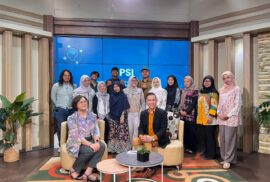

The Faculty of Psychology, Universitas Gadjah Mada (UGM), in collaboration with Kesehatan Mental Tuli Indonesia (KMTI), organized a training titled “Bridging Minds: Mental Health Training for Deaf Leaders and Mental Health Professionals” on 20–21 November 2025 at the Faculty of Psychology UGM. This activity is part of a broader initiative to strengthen inclusive mental health support for Deaf communities in Indonesia.
SDG 10: Reduced Inequalities
The Faculty of Psychology at Universitas Gadjah Mada (UGM) held a series of activities titled Wellness Day: Maintaining Body and Mind in Harmony on Friday (14/10). The in-person event was attended by lecturers and administrative staff of the Faculty of Psychology.
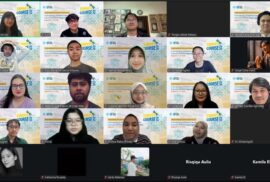
The Center for Indigenous and Cultural Psychology (CICP) of the Faculty of Psychology, Universitas Gadjah Mada, participated in the u’GOOD Inaugural Conference titled “Thriving Together: Youth, Relational Wellbeing and the Future of the Global South,” held from October 7–9, 2025, in Dar es Salaam, Tanzania. This inaugural conference served as the official launch of u’GOOD research projects across 9 Global South countries and marked the initial meeting of a Community of Practice (CoP) aimed at strengthening cross-national and interdisciplinary collaborations.
The Faculty of Psychology, Universitas Gadjah Mada (UGM), in collaboration with the Center for Education Standards and Policy (PSKP) of the Ministry of Primary and Secondary Education (Kemendikdasmen), conducted monitoring and evaluation (Monev) of the 2025 Academic Ability Test (TKA) implementation across six regions: Maluku, Special Region of Yogyakarta, West Sumatra, Gorontalo, East Kalimantan, and Banten. The Monev aims to ensure TKA implementation complies with national standards while gathering input for the improvement of academic ability-based selection policies.
Non-Suicidal Self-Injury (NSSI), or self-harming behavior without suicidal intent, is increasingly observed, particularly among adolescents and young adults. In Indonesia, several studies indicate that this phenomenon appears in everyday settings, influenced by emotional pressure, unsupportive social relationships, and the growing complexity of life challenges. A research team from the Faculty of Psychology, Universitas Gadjah Mada (UGM) is developing a psychoeducational module on NSSI designed as a first step to understand this behavior, reduce stigma, and help individuals and their immediate circles respond more appropriately. This initiative is funded by the 2025 Research Grant of the Faculty of Psychology UGM.
Understanding Indonesia’s mental health landscape requires a clear map of what has been studied, where, by whom, and with what focus. Responding to this need, a research team from the Center for Public Mental Health, Faculty of Psychology, Universitas Gadjah Mada, is undertaking a study to trace scientific publications on the prevalence, risk factors, and patterns of mental disorders across population groups and regions.
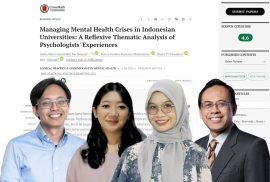
Student mental health is now a serious concern on many campuses, including Gadjah Mada University. Data and observations show an increase in mental health problems among students, especially after the COVID-19 pandemic. Amidst various academic responsibilities and other activities such as organizations, part-time jobs, and friendship dynamics, there is a risk of problems such as health issues and psychological problems arising. However, students' willingness to access mental health services still faces many obstacles.
The Faculty of Psychology UGM, through the Center for Life-Span Development (CLSD), in collaboration with RSUP Dr. Sardjito, has initiated a community engagement program that focuses on strengthening parents’ capacity to support children with Autism Spectrum Disorder (ASD). The program develops an educational toolkit titled “Parental Support Toolkit: Understanding Autism Spectrum Disorder in Children and Adolescents” designed to be accessible, practical, and evidence-based. By emphasizing parental attunement—the ability of parents to understand and respond sensitively and synchronously to their child’s signals—the program aims to help families stimulate children’s social skills in everyday contexts.
Lentera Senja, short for Lansia Energik Sejahtera Sehat Sentosa Jiwa dan Raga (Energetic, Prosperous, Healthy, and Peaceful Older Adults in Body and Mind), is an initiative by the Center for Life-Span Development (CLSD) at the Faculty of Psychology, Universitas Gadjah Mada (UGM) that develops a support toolkit to help older adults enhance their understanding of psychological well-being. The program stems from Indonesia’s demographic reality: according to Statistics Indonesia (2023), the proportion of older adults has reached 11.56% and is projected to rise to 20% by 2045. Alongside increasing life expectancy, older adults face complex challenges such as declining physical and cognitive functioning, shrinking social networks, and heightened risks of loneliness, depression, and anxiety. Existing services have tended to prioritize physical health, while psychological, social, and educational dimensions remain insufficiently integrated. This gap motivated the CLSD team to design a structured, user-friendly, evidence-informed toolkit that provides clear guidance for facilitators to strengthen older adults’ understanding of psychological well-being.
A research team from the Center for Life-Span Development (CLSD), Faculty of Psychology, Universitas Gadjah Mada (UGM), is initiating a qualitative study to understand how Indonesian adolescents define mental health, the challenges they face, and the protective and risk factors that shape their psychological well-being. National data indicate that 34.9% of adolescents experienced mental health problems in the past 12 months, yet only 2.6% have accessed services. In response, this study seeks to foreground adolescents’ own voices to ensure that resulting interventions genuinely align with their lived experiences. This research is funded by the 2025 UGM Faculty of Psychology Research Grant.